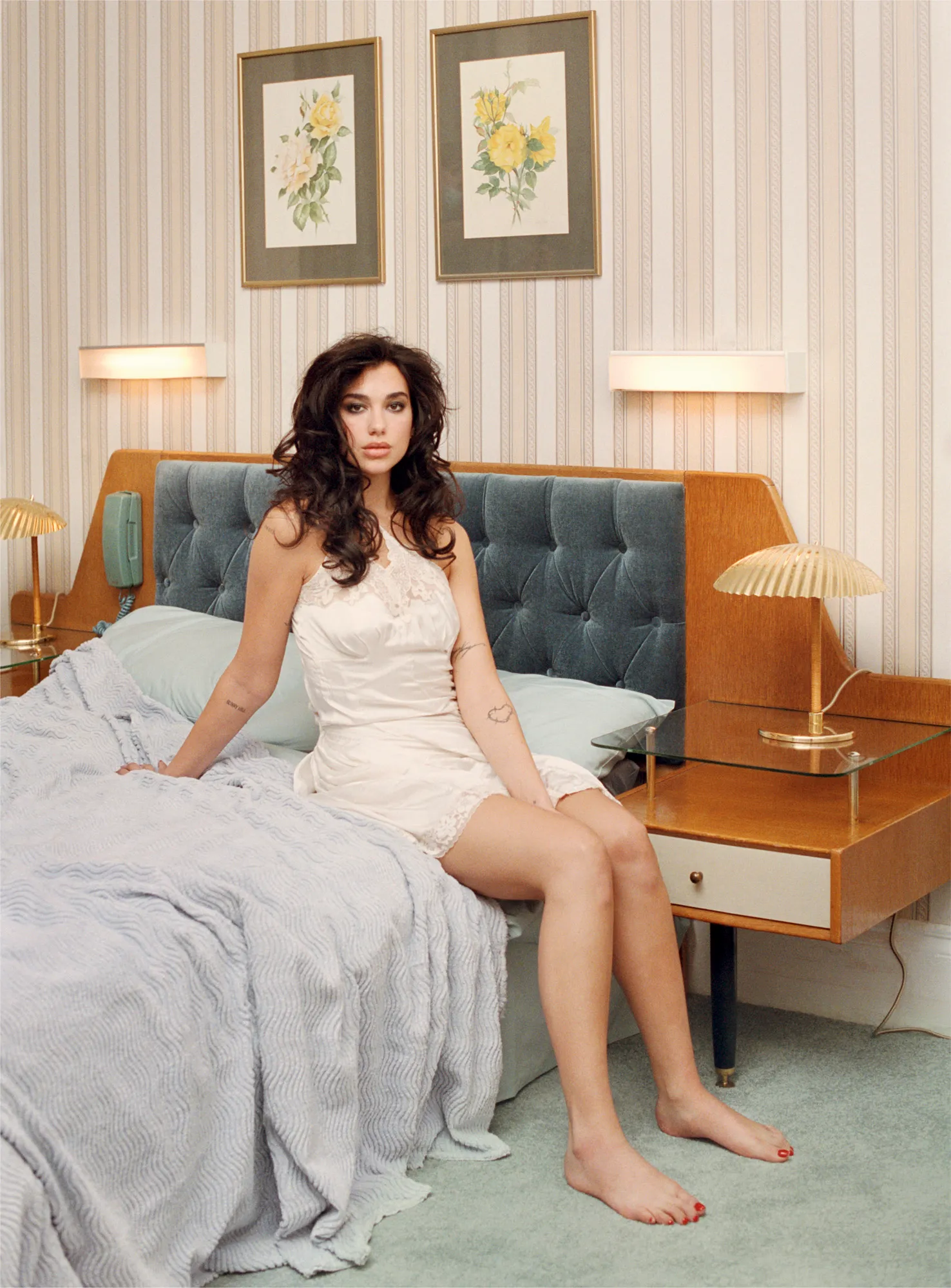
 Before she rocketed into the pop stratosphere, before she delivered a record of club catharsis to a world stuck dancing in its bedroom, before she broke the billion-stream barrier, before the Grammys…Dua Lipa had to learn to believe in her own powers.
t was fall 2019 and Dua Lipa, the London-based pop singer, was having a rare moment of self-doubt. She had just scrubbed her Instagram clean, 21st-century pop-star code for symbolic rebirth, and was readying to release “Don’t Start Now,” the first single from her second record, Future Nostalgia. The follow-up to her well-received if not earth-shifting self-titled debut, this was meant to serve as an artistic coming of age: an exuberant statement aimed at pop charts that had been dominated by ballads and downcast hip-hop for a few years. The hardest work was done, and Lipa loved the song—a thumping, bittersweet dance floor anthem full of high-disco rattles and flourishes that had confidence to spare. Yet that October, she couldn’t shake a certain anxiety, one familiar to anyone who’s ever released a creative endeavor online.
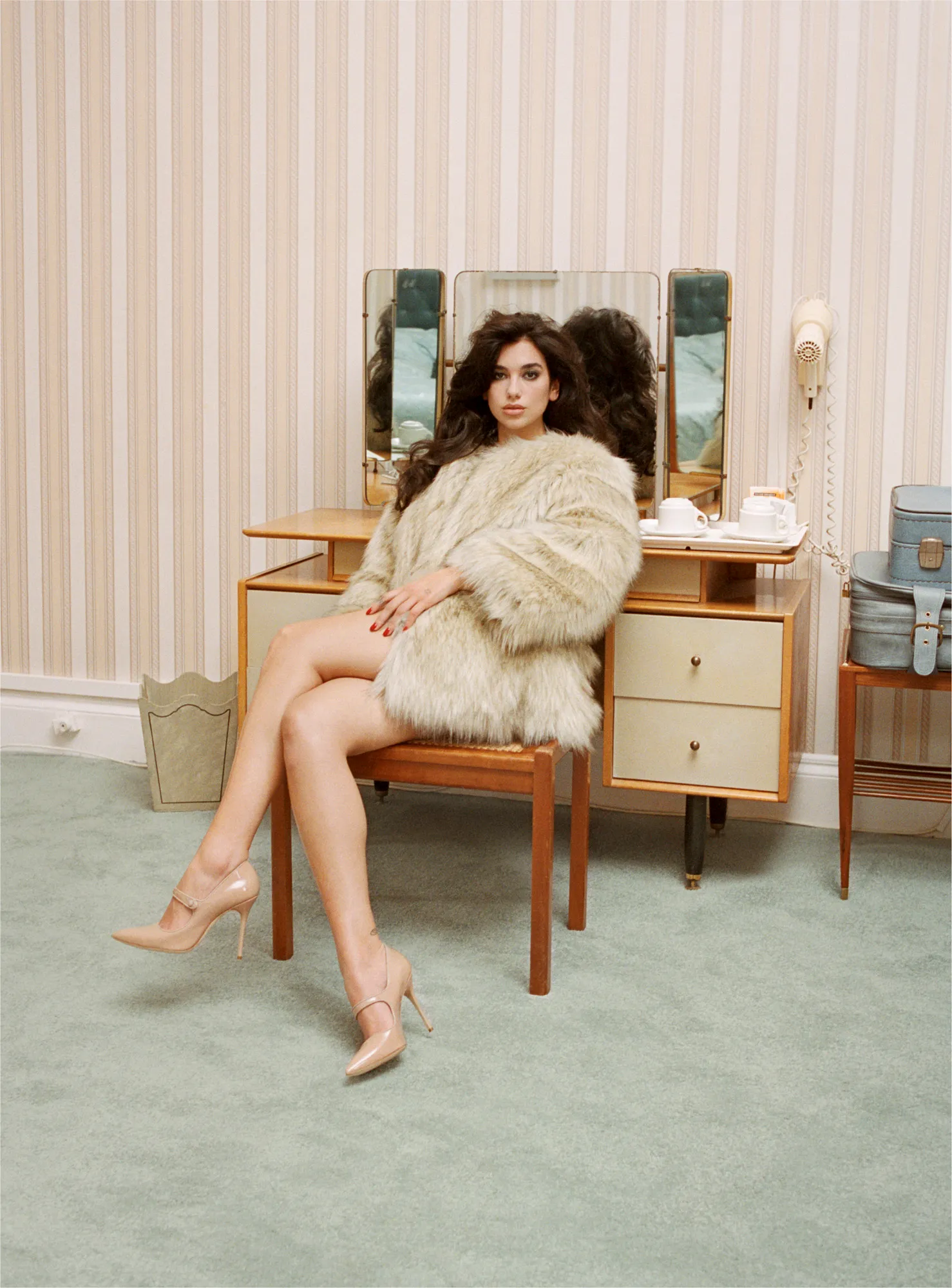
“I think I just needed something to just calm my brain down and help me kind of get rid of any anxiety,” she said, “and almost be able to tell myself that everything that I’ve learned I could do in my sleep.”
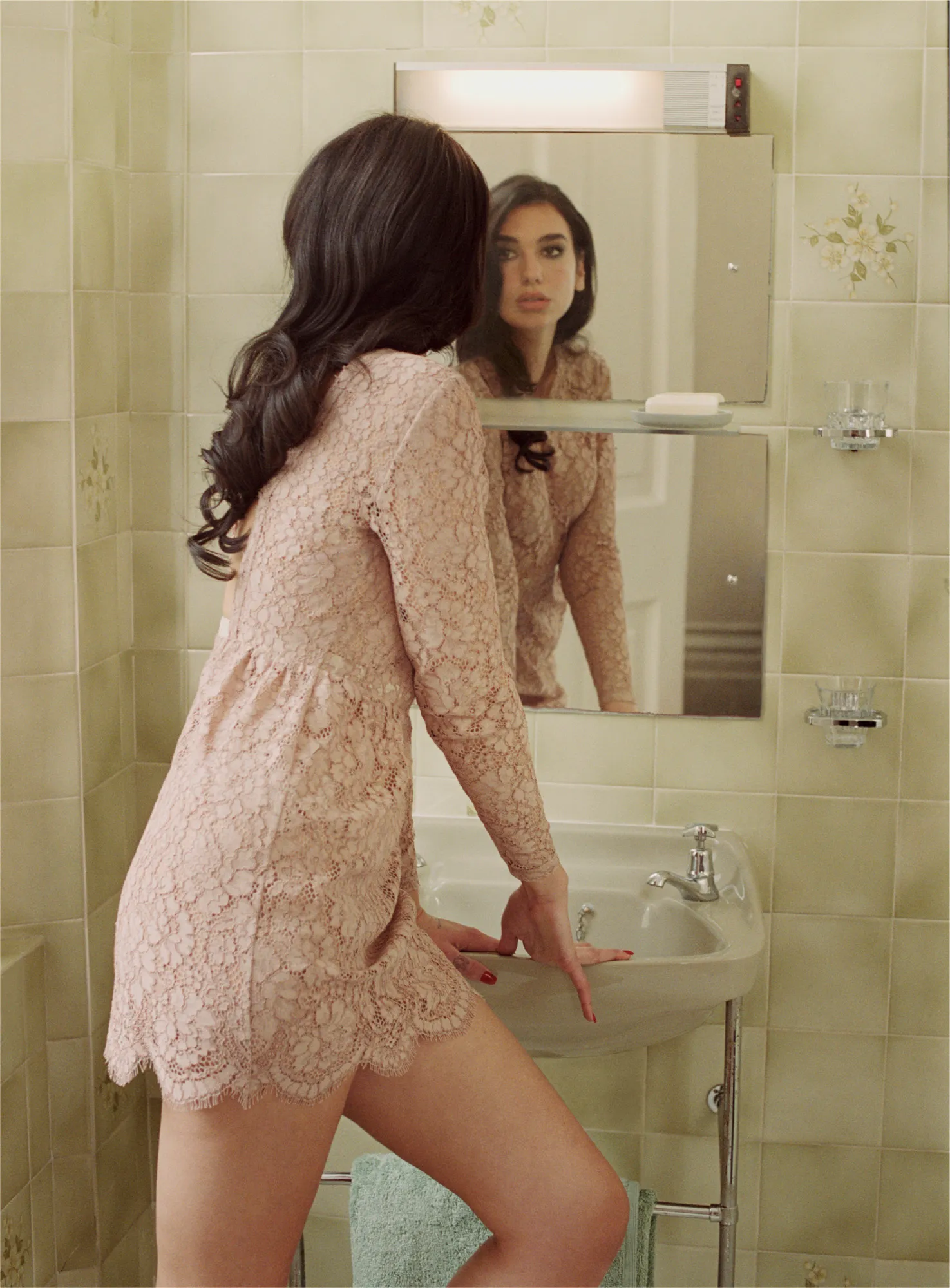 Talking about all of this uncertainty in mid-2021 is of course a little absurd. “Don’t Start Now” would eventually go on to reach number two on the Billboard Hot 100 and amass nearly 1.5 billion combined streams on Spotify and YouTube as of this writing. Future Nostalgia, a dance record begging to be heard in the common space of the club, would nonetheless thrive amid quarantine to score a Grammy for best pop vocal album and unleash an extraordinary run of Top 40 singles. Along the way, Lipa became one of the first major pop stars to attempt an all-out promotional rollout from home. She appeared on late-night shows after doing her own hair and makeup, tearfully discussed her sadness about the moment on Instagram Live, and adapted to working via video call like the rest of us. The whole undertaking would turn Lipa from ambitious upstart to bona fide superstar.
That she had a pre-pandemic lesson in uncertainty might have helped her chart the course. Her longtime manager, Ben Mawson, told me that at first the team hesitated about going forward through the global shutdown, as many other artists chose to last year, but ultimately saw it as a unique opportunity. “She’d been waiting for this moment,” he said. “It was music that was uplifting and happy, and so we thought maybe the world needs this.”
“THERE WAS JUST THIS PRESSURE…PEOPLE JUST TELLING ME THAT I WASN’T GOOD ENOUGH OR THAT I WASN’T DESERVING OF IT OR WHATEVER IT WAS…”
To American listeners, Lipa’s success may seem to have come from nowhere. But her story is one of continent-crossing perseverance, a bit of luck, and one of those generational pop personalities who simply will not be denied. Future Nostalgia would have been an unusual record even if it hadn’t arrived at the beginning of a global crisis. It takes a buffet-table approach to the sonic decorations from decades’ worth of disco, funk, and synth pop while also showcasing Lipa’s keen ear for complex vocal melodies and her distinctively raspy and lithe voice. It marries the efficiency of structured pop with the curiosity of dance music, yet in between pulsing bass lines and naturalistic percussion, it’s full of silence: little spaces here and there that telegraph a breath before a song blooms into something new. Its emotional and dynamic range is broad, yet it all passes by effortlessly.
The record’s title came to Lipa before anything else. She almost used “future nostalgia” as a backdrop for a 2018 awards-show performance before deciding that she wanted to save it for something special. “I loved jumping into what felt like a story,” she said. “I’ve really loved the idea of Future Nostalgia having its own world.” Though Lipa worked with a long list of collaborators on the album, a core group of contributors from her 2017 debut, including songwriter Clarence Coffee Jr. and producer-writer Stephen “Koz” Kozmeniuk, returned to the studio with her for the Future Nostalgia sessions in summer 2018. Both said that the experience of working with Lipa is marked primarily by how fun it is. (“I have summer-camp vibes with one of my best friends,” Coffee told me.)