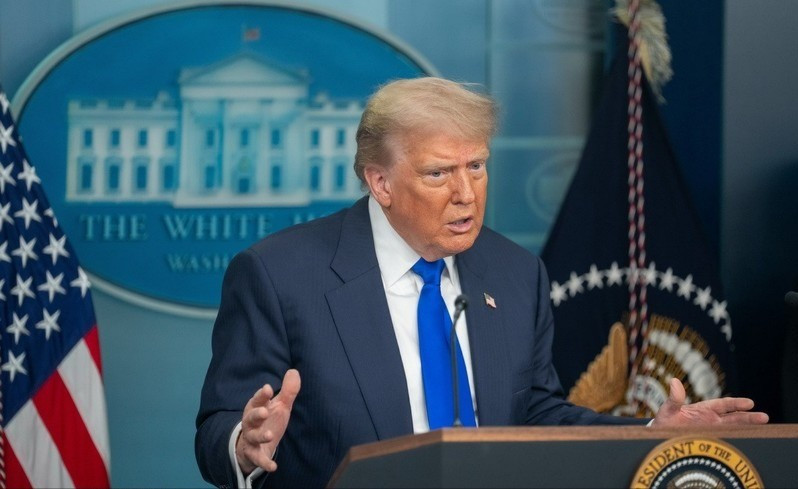
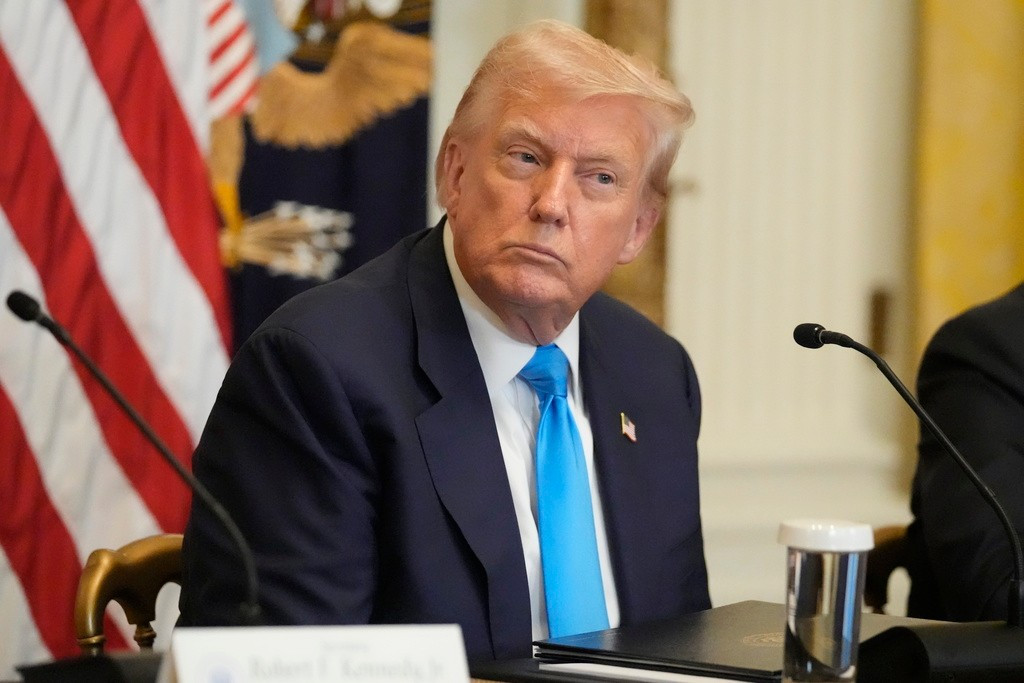
White House became the stage for a significant announcement as President Donald Trump signed an executive order to reinstate the Presidential Fitness Test, a program dormant since 2013. Captured in a 36-minute video by Forbes Breaking News, the event showcased Trump’s commitment to making America healthy again, flanked by a roster of athletic legends appointed to the President’s Council on Sports, Fitness, and Nutrition. This initiative, rooted in nostalgia and modern urgency, aims to combat rising obesity and mental health challenges among youth while addressing broader issues in collegiate sports. Here’s a deep dive into the event, its implications, and its place in a day marked by viral social media moments.
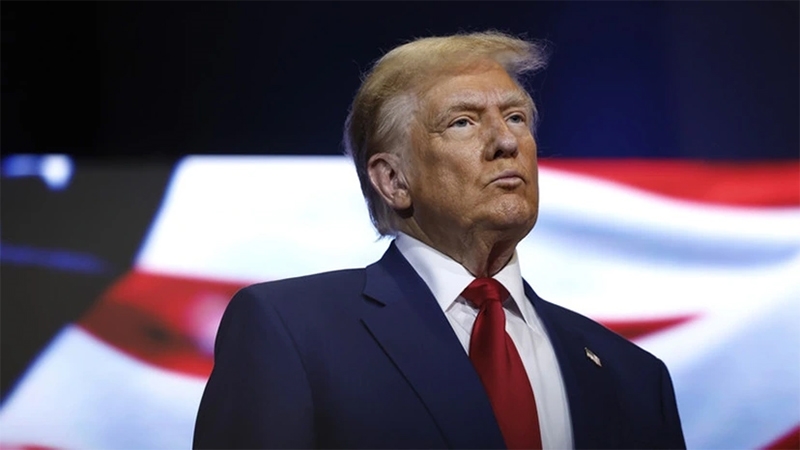
The Return of the Presidential Fitness Test
A Nod to History
The Presidential Fitness Test, launched in the 1950s under President Dwight D. Eisenhower, was a cornerstone of American physical education, challenging students with sit-ups, pull-ups, shuttle runs, and mile runs. Trump, in his remarks, emphasized its historical significance, noting its role in fostering “vigor, strength, and vitality” among Americans. Robert F. Kennedy Jr., Secretary of Health and Human Services, added a personal touch, recalling his uncle John F. Kennedy’s 1960 article, “The Soft American,” which lamented the nation’s declining fitness. This historical context framed the reinstatement as a return to a proud tradition.
Modern Challenges and Goals
The test’s revival is timely, addressing pressing issues like childhood obesity and excessive screen time. An unnamed female athlete, likely LPGA Hall of Famer Annika Sorenstam, underscored the urgency, stating, “Obesity is the highest it’s ever been. Mental health, as we all know, needs to be tackled.” The council, led by golfer Bryson DeChambeau, aims to modernize the test, potentially integrating digital campaigns on platforms like X to engage youth. DeChambeau’s vision is ambitious: “We have an opportunity to change the fabric of kids’ lives,” he said, emphasizing community-building and healthy lifestyles.
The initiative also seeks to reinstill a competitive spirit, with awards like patches and certificates for top performers, as Kennedy recalled from his childhood. By leveraging the star power of council members, the administration hopes to inspire a new generation to prioritize fitness.
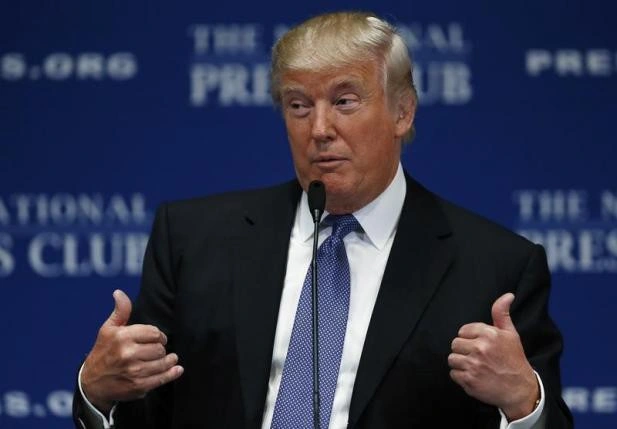
A Star-Studded Council for Sports Reform
Athletic Legends Assemble
The event’s highlight was the introduction of the President’s Council on Sports, Fitness, and Nutrition, featuring an impressive lineup of athletes. Trump personally praised NFL legend Lawrence Taylor, calling him “the greatest defensive player in the history of the NFL,” and golfer Bryson DeChambeau, lauded for his U.S. Open victories and long drives. Other council members present included WWE’s Triple H, NFL kicker Harrison Butker, and Annika Sorenstam, whom Trump described as “one of the best players ever.” Absent but mentioned were icons like Jack Nicklaus, Tiger Woods, Gary Player, Nelly Korda, Tony Romo, Nick Bosa, Saquon Barkley, Tua Tagovailoa, Roger Goodell, and Mariano Rivera.
Trump’s informal, anecdote-filled introductions—joking about Taylor’s shyness and Butker’s looks—added a populist charm, positioning these athletes as relatable role models. Their involvement lends credibility to the council’s mission, signaling a serious commitment to health and sports reform.
Tackling Collegiate Sports Chaos
Beyond fitness, the council is tasked with reforming collegiate sports, particularly football, which Trump described as “a mess.” Issues like player transfers, name-image-likeness (NIL) deals, and funding disparities have disrupted traditional structures, with women’s sports and smaller sports suffering most. Trump expressed concern that “women’s sports are being totally decimated,” citing the concentration of resources in football and basketball. The council’s role includes developing strategies to restore fairness, support Olympic training, and protect gender equity, aligning with Trump’s policy to ban men from competing in women’s sports.
This focus resonates with broader cultural debates about fairness in athletics, and the council’s diverse expertise—from NFL stars to golf legends—positions it to address these complex issues effectively.
A Day of Viral Moments: Context with X
The Social Media Ecosystem
The White House event coincided with a viral moment on X, where a photo of Japanese influencer Araki Saori (SAO) exploded in popularity after being reposted by Elon Musk. Though unrelated, both events—occurring on July 31, 2025—highlight the power of influential figures to shape public attention. Saori’s photo, captioned humorously about a “Tesla board meeting,” went viral for its style and wit, while Trump’s announcement leveraged athletic star power to promote policy. The contrast underscores X’s role as a platform where serious initiatives and cultural phenomena coexist.
The council could harness X’s viral potential to promote fitness, perhaps through challenges like the #VestVibesChallenge sparked by Saori’s fame. Such campaigns could engage youth, aligning with the council’s goal of making fitness fun and accessible.
Trump’s Broader Agenda in the Q&A
The video’s Q&A session (starting at 20:10) revealed Trump’s multifaceted agenda, covering topics beyond sports:
-
White House Ballroom: Trump announced a $200 million privately funded ballroom project, emphasizing his construction expertise and the need for a proper event venue.
-
Foreign Policy: He criticized Russia’s actions in Ukraine as “Biden’s war,” claimed Iran’s nuclear capabilities were “decimated,” and expressed frustration with Canada’s tariffs and potential Palestinian state recognition.
-
Tariffs and Trade: Trump defended his tariff policies, effective August 1, 2025, dismissing legal challenges and touting their economic benefits.
-
Cultural Issues: He supported reverting to original team names like the Cleveland Indians and Washington Redskins, aligning with traditionalist sentiments.
Trump’s unfiltered style—calling reporters “lunatics” and Federal Reserve Chairman Jerome Powell “Too Late Pal”—reinforced his populist appeal while projecting confidence in his second term.
Implications for America’s Future
Health and Youth Empowerment
The Presidential Fitness Test’s revival taps into nostalgia while addressing modern challenges, offering a proactive approach to youth health. By involving athletes like Taylor and Sorenstam, the council can inspire kids to embrace sports, potentially reducing obesity and improving mental health. Digital engagement on platforms like X could amplify this impact, making fitness a viral trend.
Sports Reform and Equity
The council’s focus on collegiate sports reform addresses pressing issues like gender equity and the commercialization of athletics. By prioritizing women’s sports and smaller sports, the administration aims to preserve America’s athletic tradition, with implications for Olympic success and national pride.
Trump’s Leadership Style
The event showcases Trump’s ability to blend policy with showmanship, using sports to unify and inspire. His Q&A responses reveal a leader confident in his vision, unafraid to tackle diverse issues, and adept at commanding attention—much like Musk’s role in Saori’s viral moment.
Suggested Image Placement: A chart showing declining youth sports participation or rising screen time could underscore the council’s mission, tying it to broader societal trends.
Conclusion
The July 31, 2025, White House event, captured by Forbes Breaking News, marks a pivotal moment in Trump’s second term, blending nostalgia, policy, and celebrity to revive the Presidential Fitness Test and reform sports. The star-studded council, led by figures like Bryson DeChambeau and Lawrence Taylor, signals a serious commitment to health and equity. On a day when X buzzed with Araki Saori’s viral photo, the event highlights the interplay of policy and culture in shaping public discourse. As the council begins its work, its success will depend on translating star power into tangible change, ensuring America’s youth—and its athletic traditions—thrive for generations.